
How to Protect New Plants and Help Them Grow Strong From the Start
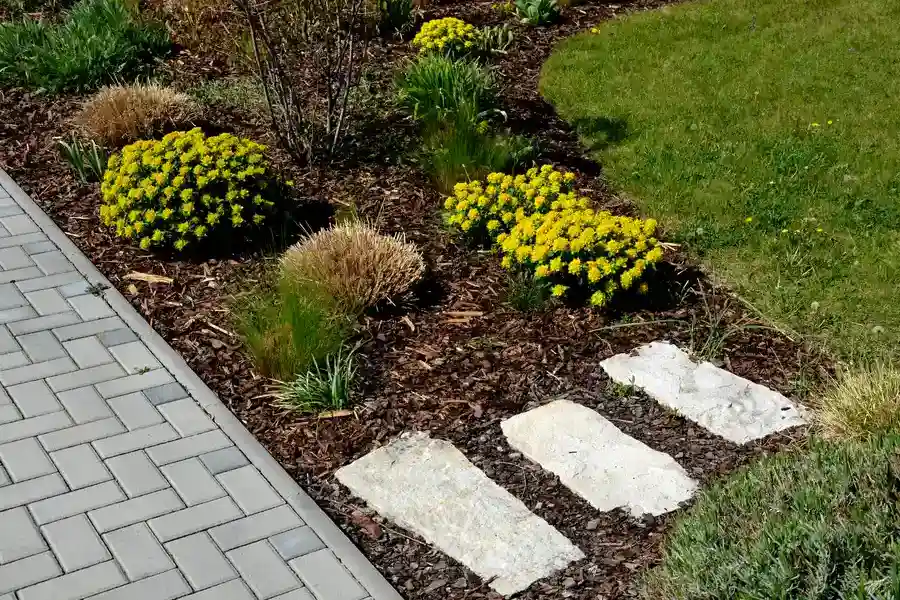
If you just added new plants, the right mulching approach can help them settle in fast. A thin, even layer around each plant keeps soil moist, blocks weeds, and guards roots from heat and cold. The key is using the right material, placing it the right way, and not piling it too close to stems or trunks. When done right, mulching gives young plants a strong start.
What You Need Before You Start
Before you spread anything, gather the right supplies. This makes the job quicker and helps you avoid mistakes.
- Quality mulch such as shredded bark, wood chips, or pine straw
- A rake or garden fork
- A shovel or pitchfork
- Gloves to protect your hands
- A measuring tape or ruler to check depth
Choose mulch that drains well and breaks down slowly. Freshly planted areas do best with natural wood products. Avoid rubber or rock around tender plants. Organic material improves the soil over time, which helps roots grow healthy and deep.
Step-by-Step Process for Mulching New Plants
Follow these steps to protect your new planting beds the right way:
- Water the soil well before you start. Moist soil holds water better under mulch.
- Remove weeds or grass around each plant. Clear at least 1 to 2 feet around small plants.
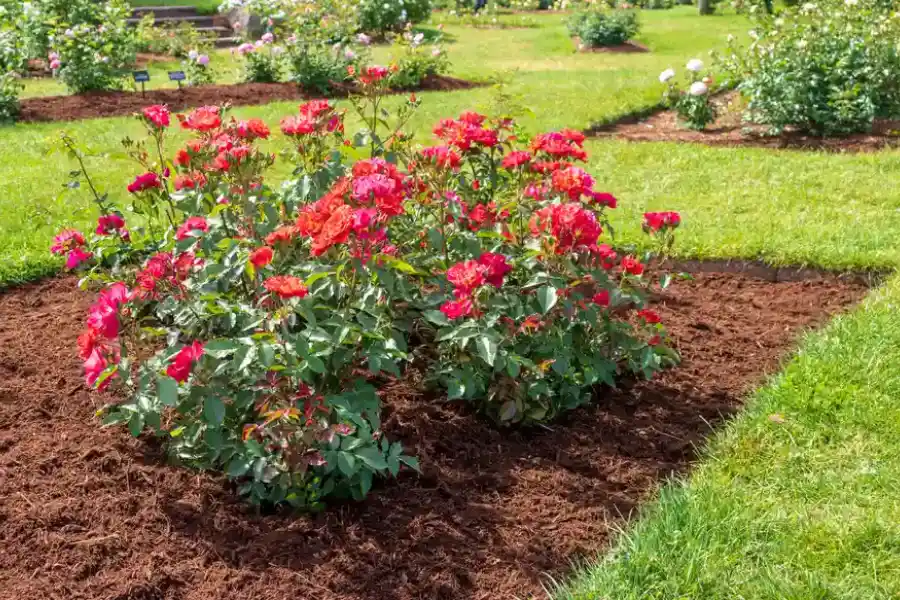
- Spread mulch evenly over the soil surface.
- Keep the mulch about 2 to 3 inches deep. Do not go thicker.
- Leave a 1 to 3 inch gap around stems or tree trunks.
- Smooth the surface with a rake for even coverage.
This process helps lock in moisture while still letting air reach the roots. Thin and even coverage works better than thick piles.
Common Mistakes to Avoid
Many plant problems start with poor mulching habits. Watch out for these simple mistakes.
- Piling mulch against plant stems or tree trunks
- Spreading it too thick, which traps too much moisture
- Using fresh grass clippings in thick layers
- Forgetting to pull weeds before applying it
When mulch touches a trunk, it can cause rot and attract insects. Thick layers can also block oxygen from reaching new roots. Newly planted areas need balance. They need moisture, but they also need air.
When to Call a Professional
Small garden beds are easy to handle on your own. Larger spaces or sloped yards can be harder. If your new landscaping covers a wide area, professional mulching may save time and prevent uneven coverage.
You may also want help if your soil drains poorly or if water runs off after heavy rain. A professional can grade the area and suggest better materials. In some cases, landscape fabric or edging may help keep mulch in place.
If trees were recently planted, extra care is needed. Young trees have sensitive root zones. Correct mulching depth and spacing around the trunk matter more than many people realize.
Final Recommendation and Next Steps
New plants need steady care during their first year. Keep checking mulch depth every few months. Add more only if the layer drops below two inches. Pull weeds early before they spread. With steady upkeep, your planted areas will fill in and look better each season.
Get Help With Your New Landscape
If you are planting in Pittsburg, CA and want your beds done the right way, I can help. At Roberto Alfaro Clean Up, I handle mulching with care and attention to detail so new plants get a strong start. Call me at (925) 528-9512 and I will be glad to take a look and give you honest advice for your yard.