
How a Simple Ground Cover Helps Soil Hold Water Longer
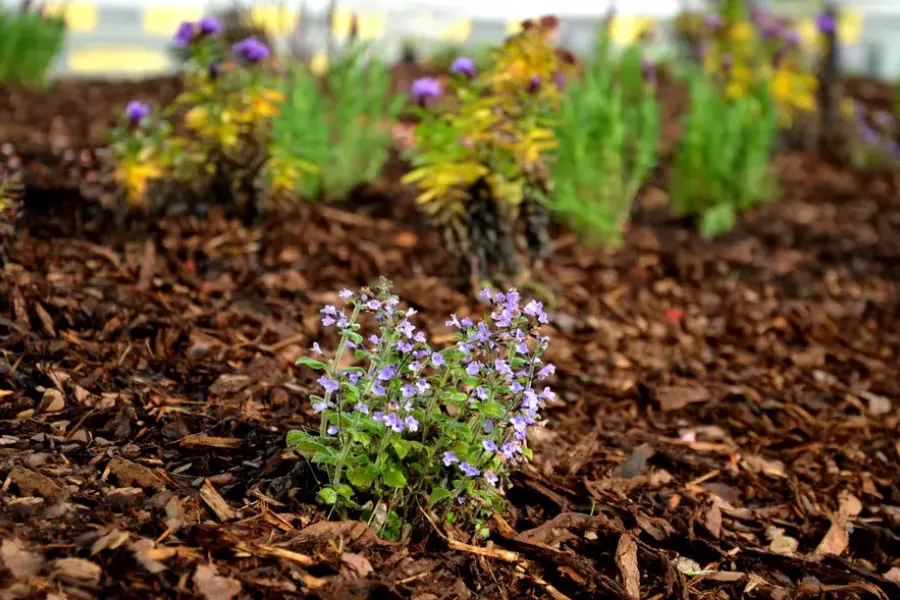
Mulching supports moisture retention by covering the soil with a protective layer that slows down water loss. When you spread mulch over bare ground, it blocks direct sun, reduces heat, and limits evaporation. This helps the soil stay damp longer after rain or watering. In hot and dry areas like Pittsburg, CA, this simple step can make a big difference in plant health and water use.
What You Need Before Starting
Before you begin mulching, gather the right materials and tools. The type of mulch you choose depends on your landscape and the look you want. Organic options, like wood chips or shredded bark, break down over time and improve soil. Inorganic options, like gravel, last longer but do not add nutrients.
- Mulch material (wood chips, bark, straw, or similar)
- Rake to level the soil
- Gloves to protect your hands
- Shovel or pitchfork for spreading
- Hose or sprinkler for watering
Start with clean soil. Pull weeds and remove debris. Water the area lightly before adding mulch. Damp soil holds moisture better under the new layer.
Step-by-Step Process for Better Moisture Retention
Follow these simple steps to get the most benefit from mulching.
- Clear weeds and grass from the planting bed.
- Loosen the top inch of soil if it feels hard.
- Water the soil evenly but do not soak it.
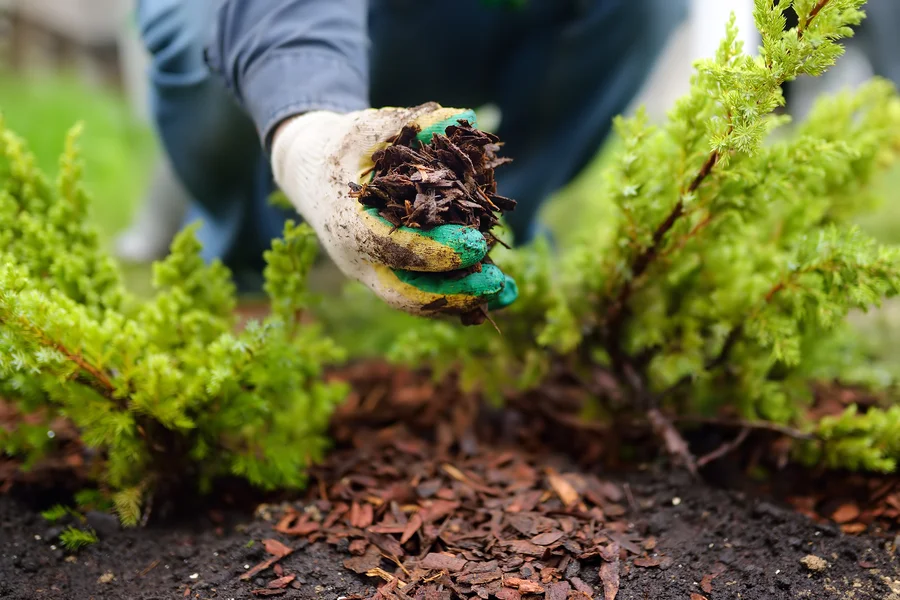
- Spread mulch 2 to 3 inches thick across the area.
- Keep mulch about 2 inches away from plant stems and tree trunks.
- Lightly rake the surface to make it even.
The 2 to 3 inch depth is key. Too thin, and sunlight still reaches the soil. Too thick, and water may not soak through properly. When done right, this layer acts like a blanket. It locks in moisture and keeps roots cool.
How Mulching Reduces Water Loss
Bare soil dries out fast. Sun and wind pull moisture from the surface. When you apply mulch, it blocks direct heat and airflow. This slows evaporation. It also reduces soil temperature swings, which helps roots stay healthy.
During heavy rain, mulch softens the impact of water hitting the soil. This prevents crusting and runoff. Instead of washing away, water seeps down to the roots where plants need it.
Over time, organic mulch breaks down and mixes into the soil. This improves soil structure. Better soil holds water like a sponge instead of letting it drain away too fast.
Common Mistakes to Avoid
Even though mulching is simple, small mistakes can limit its benefits.
- Piling mulch against tree trunks, which can cause rot
- Using too little material to block sunlight
- Adding more mulch each year without removing old buildup
- Placing mulch over dry soil without watering first
A common sight is the mulch volcano around trees. This traps too much moisture against the bark and may lead to decay or pests. Always leave space around the base.
When to Call a Professional
Small garden beds are easy to handle on your own. Larger yards or thick weed growth may need more time and effort. If the soil drains poorly or plants are already stressed, a professional can check deeper issues.
Some landscapes also need grading or improved drainage before mulch can do its job. In those cases, proper planning makes a big difference. A landscaping expert can suggest the right material and depth for your property.
Why Mulching Is a Smart Long-Term Choice
Mulching does more than help with moisture retention. It cuts down on weeds, protects roots from heat, and improves soil over time. It can even lower your water bill because you water less often. For homeowners who want healthy plants without constant upkeep, it is a practical step.
If you want your yard in Pittsburg, CA to stay greener and need help getting started, I can help. At Roberto Alfaro Clean Up, I focus on proper mulching methods that protect your soil and plants. Call me at (925) 528-9512 and I will be glad to talk about your property and what it needs.